Two Minutes to Sell a Dream: Meet the Editors Who Decide How America Feels About a Movie
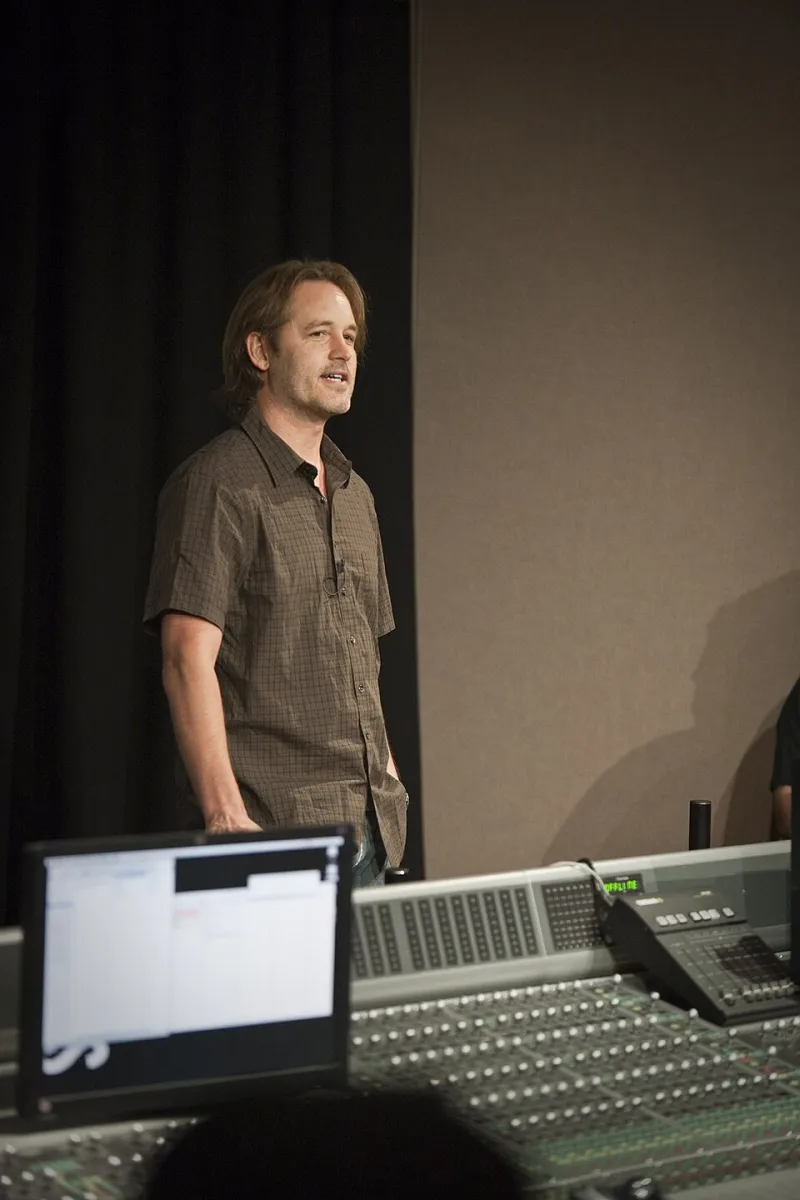
Photo: Vancouver Film School, CC BY 2.0, via Wikimedia Commons
Somewhere in Los Angeles, right now, an editor is watching a rough cut of a movie that cost more than a small country's GDP. Their job isn't to make the film good. Their job is to make you believe it might be.
Welcome to the trailer house — the strange, secretive corner of the industry where a few dozen people quietly decide how America feels about next summer's biggest releases.
The Invisible First Cut
Studios don't cut their own trailers. That surprises a lot of people. Instead, the work goes to specialist shops — names like Buddha Jones, AV Squad, Trailer Park — that operate somewhere between ad agency and film school. A studio hands over the dailies, a marketing brief, and a release date. What comes back is the version of the movie that most people will actually encounter.
And that's the uncomfortable truth of modern moviegoing: for the vast majority of the audience, the trailer is the film. Not a preview of it. The experience of the movie, compressed, sequenced, and scored before the real thing exists in theaters.
The editors who do this work are, by any honest measure, filmmakers. They restructure three-hour narratives into two-minute arcs. They build emotional beats from scratch. They know — viscerally, mathematically — how many seconds of silence an audience can tolerate before they check their phone.
Why Every Trailer Sounds the Same
If you've been to a multiplex in the last decade, you know the style. The low drone. The rising pulse. The bass hit that lands like a dropped safe. Then everything cuts to black, a single line of dialogue floats in the dark, and the title card slams down.
This is what the industry calls "trailerization" — the practice of taking a piece of familiar music (often a beloved pop song or classical cue) and slowing it down, darkening it, and layering it over ominous percussion. It works. It works scarily well. That's the problem.
The technique spread because trailers are tested like pharmaceuticals. Focus groups, online tracking, A/B cuts. The drone-and-bass approach survived because it tested better than everything else, and once it tested better, everyone copied it, and once everyone copied it, audiences stopped distinguishing between a superhero movie and a serial-killer thriller. The marketing language flattened everything into one tone: gravitas.
Some trailer editors chafe at this. The best of them will tell you the holy grail is a cut that takes a real risk — a joke where you don't expect one, a long held shot, a trailer that tells you almost nothing. Those cuts exist. They're just rarer than they used to be.
Selling the Film or Replacing It?
Here's the question that haunts the trade: when a trailer gives you the best jokes, the biggest twist, and the emotional climax in two minutes, what's left for the movie?
There's a case that the modern trailer has become a substitute experience — a product demo so complete that attending the film feels optional. Anyone who sat through a 2023 comedy trailer and then the actual comedy knows the feeling of déjà vu that borders on betrayal.
But the trailer house's defenders have a point too. A great trailer is its own art form, one with a century of history — from the hand-written intertitle cards of the silent era to the voice-of-God narration of the 1980s to today's sound-design epics. The craft is real. The instincts are real. The problem isn't the editors. It's the risk-aversion pipeline they work inside.
The most interesting thing happening right now isn't in the multiplex spot at all. It's in the weird, unofficial trailers that go viral — fan edits, meme cuts, the A24-style teasers that say almost nothing and get shared precisely because they respect the audience's curiosity. Audiences aren't tired of trailers. They're tired of being told the ending.
The editors in those suites know it too. Give them room, and they'll remind you that two minutes can be cinema.