Five Ways Horror Outsiders Beat Hollywood at Its Own Game
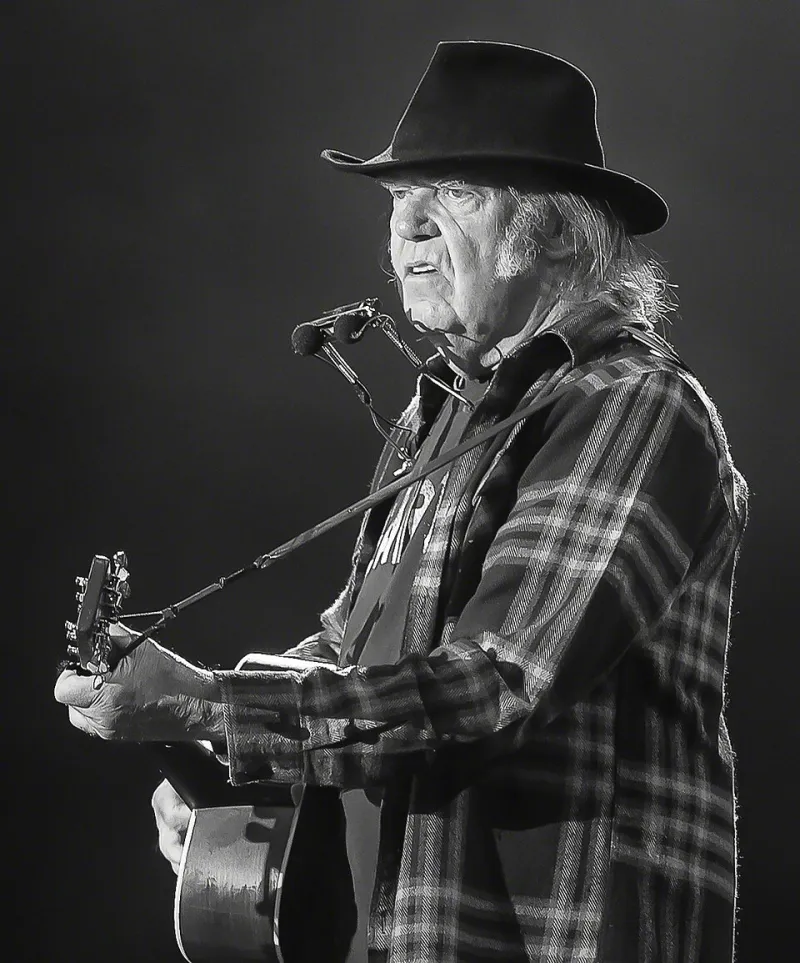
Photo: Tore Sætre, CC BY-SA 4.0, via Wikimedia Commons
Horror has always been the genre where the broke kids eat. A guy with a rented house and a digital camera can out-gross a studio tentpole, and Hollywood has spent twenty years failing to learn why. Let's break down the actual playbook, entry by entry.
1. Treat the Constraint as the Aesthetic
Paranormal Activity cost roughly $15,000 and made nearly $200 million. The found-footage style wasn't a workaround — it was the product. Cheap cameras look like home video, and home video looks like evidence, and evidence is terrifying. Oren Peli shot in his own house with a crew of four. Every limitation became a feature. The filmmakers who win at this level don't apologize for their budget; they weaponize it.
2. Skip Film School, Skip Film School Debt
A striking number of the current wave — the directors adapting creepypastas and Backrooms lore into features — never set foot in a film program. They learned by making shorts, posting them, reading the comments, and making another one. Kane Pixels was a teenager when his Backrooms videos caught the attention of A24. The internet is the film school now, and the tuition is your evenings.
3. Build the Audience Before the Movie
This is the big one. The old model: make the film, pray a distributor finds it, hope marketing finds an audience. The new model: post horror shorts on YouTube and TikTok for two years, accumulate a million subscribers, then announce the feature — funded partly by fans, partly by a streamer who noticed the numbers. When that movie premieres, it doesn't open to zero. It opens to a built-in congregation that has been evangelizing for years. Studios spend tens of millions on marketing and can't buy what these creators get for free: trust.
4. Own Something the Studio Doesn't
The smartest indie horror operators keep a piece of their intellectual property, their distribution, or their relationship with the audience. Streaming deals pay upfront but erase the upside — and the upside is the whole business. The directors who've built actual careers, not just one lucky sale, treat their fanbase like the asset it is. A studio owns the movie. Nobody owns the community.
5. Make Fear Cheap and Wonder Expensive
Horror's structural advantage is that dread costs nothing. A hallway, a static camera, a sound design mix, and darkness do the work that would cost a blockbuster nine figures in visual effects. The outsiders understand that the scariest thing on screen is the thing you never fully see — which means their best asset is restraint, and restraint is free.
The Part Hollywood Still Can't Copy
Studios have tried to industrialize this. They've bought the creators, optioned the creepypastas, greenlit the imitations. And some of it works! But the secret ingredient was never the technique — it was the distance from the system. These filmmakers make what scares them because nobody can stop them, and audiences can smell the difference. The moment a committee gets involved, the smell changes.
The next Paranormal Activity is probably being edited in a bedroom right now, posted in five parts on TikTok, and the studios should be less scared of it than delighted — because it's the only part of the movie business still growing without them.