Pixel Architects: The VFX Artists Quietly Designing the Soul of Modern Cinema
There's a particular kind of invisibility that comes with doing your job too well. Ask a VFX supervisor about it and they'll probably laugh—a tired laugh, the kind that's been rehearsed through years of awards seasons where their names slide past in a blur of white text while the audience reaches for their coats.
But spend any real time with the people building the visual fabric of contemporary American cinema, and you start to understand something the industry has been slow to acknowledge: these aren't technicians running software. They're artists making choices—aesthetic, emotional, philosophical choices—that shape how millions of people experience a story.
More Than a Button Press
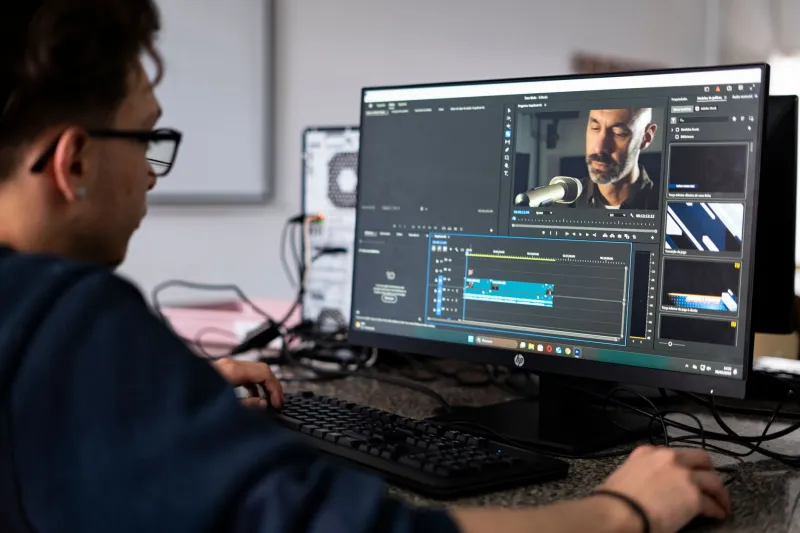
The popular misconception about visual effects work is that it's essentially automated. Point a camera at a green screen, hand the footage to someone in a server farm, and watch the magic happen. Anyone who's spent five minutes in an actual VFX studio knows how laughably wrong that is.
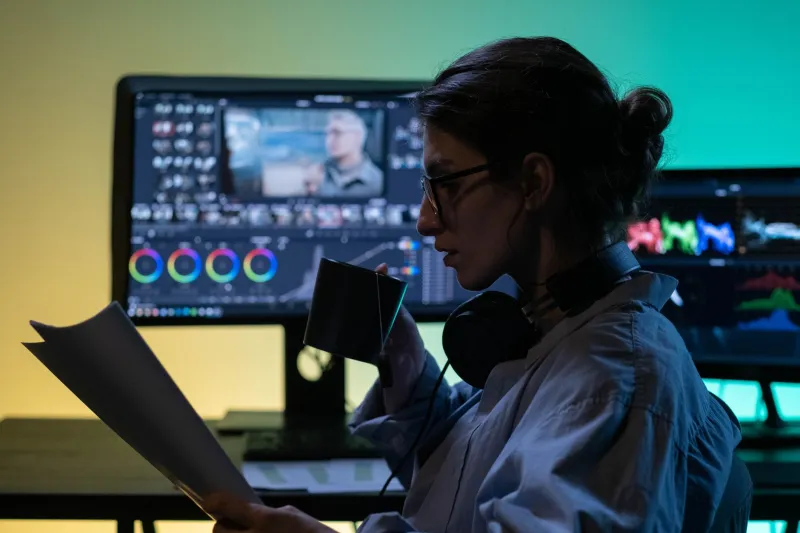
Take the work of crafting a realistic crowd in a period film. Every face has to feel like it belongs to a specific human being with a specific history. The way light catches a cheekbone, the particular slump of tired shoulders in a marketplace scene—these are decisions made by artists who've spent years developing an eye for what reads as real. "People think we're just copying reality," says one senior compositor who's worked on several major studio releases over the past decade. "But there's no such thing as neutral light. Every choice is a statement about what the scene means."
That's the part that rarely makes it into the press junket conversation.
The Philosophy Behind the Frame
What's genuinely fascinating, if you dig into the community, is how many VFX artists have developed coherent visual philosophies that rival those of the directors they work alongside. Some lean toward a kind of heightened naturalism—pushing digital environments toward a tactile, almost painterly quality that makes audiences feel the weight of a fictional world. Others are interested in the uncanny edge, that precise calibration of wrongness that signals to a viewer's subconscious that something isn't quite right in a scene.
These aren't accidents. They're the product of serious aesthetic thinking, often developed across years of work and informed by art history, photography, and the kind of obsessive visual study that you'd expect from any fine arts graduate.
One VFX supervisor who's worked on both independent features and major studio productions describes her process as essentially painterly. "I'm always thinking about depth of field the way a cinematographer does, but I'm also thinking about what old master painters understood about how light creates mood. You're building a world, and that world has to have a consistent internal logic that audiences feel even if they can't name it."
The Credit Problem
Here's where things get uncomfortable. The Academy Awards have a visual effects category, sure. But ask anyone in the field about how recognition actually works in the industry and the conversation turns pointed quickly.
VFX artists are routinely excluded from the kinds of guild protections and industry conversations that other craftspeople take for granted. The VES—Visual Effects Society—has been pushing for better representation for years, but the structural reality of how studios contract VFX work (often to third-party vendors, often with brutal timelines and brutal budgets) means these artists operate in a fundamentally different economic world than their counterparts in cinematography or production design.
There's also the cultural dismissal. Digital effects work has long carried a stigma in certain critical circles—the idea that CGI represents a kind of creative laziness, a shortcut away from the real work of filmmaking. That argument has always been more complicated than it sounds, but it's particularly frustrating to artists who spend months making a single sequence feel emotionally true.
"There's this assumption that because something is digital, it didn't require vision," one artist says flatly. "But the choices I make about how a destroyed city looks, what the color of the sky says about the emotional state of the scene—those are the same kinds of choices a painter makes. The medium is different. The artistic intent isn't."
Building Worlds as an Art Form
Some of the most interesting work happening in American cinema right now is in the space where VFX and production design genuinely blur together. The rise of virtual production—LED volume stages that replace green screens with real-time rendered environments—has pushed VFX artists even further into the creative center of filmmaking. Now they're not just finishing a film; they're building the world the actors inhabit in real time, on set, with all the collaborative energy that implies.
This has been a genuine cultural shift. Directors who might once have treated VFX as a post-production cleanup operation are now involving their digital artists in pre-production conversations about the visual identity of a film. The result, at its best, is work that feels cohesive in a way that audiences register even if they can't articulate why.
The artists themselves seem energized by the change, even as they navigate the pressures of an industry that still tends to crunch their timelines and undervalue their contributions. There's a sense that something is shifting—that the conversation about what counts as authorship in cinema is finally widening to include the people who build the worlds we disappear into.
The Quiet Reckoning
Cinema has always been a collaborative art form, and the myth of the solitary genius director has always been exactly that—a myth. But the industry's credit hierarchies have been slow to catch up with the reality of how films actually get made.
VFX artists aren't asking for top billing. They're asking for something simpler: to be recognized as artists making artistic choices, not technicians executing instructions. Given what they actually do—given the worlds they build, the light they sculpt, the emotional realities they construct pixel by pixel—that doesn't seem like too much to ask.
The films we love most are full of their work. It's about time we started seeing it.