Walmart Steps Into Roblox and the Metaverse Gets a Shopping Cart
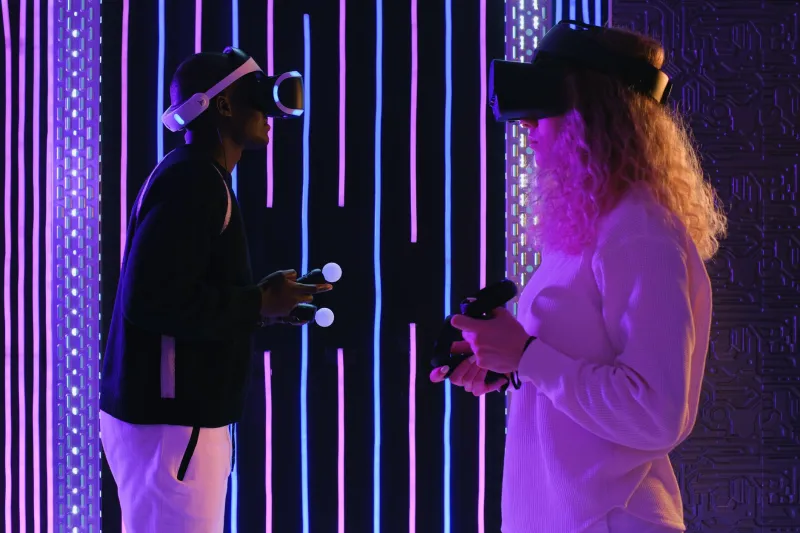
It's not every day that a big-box retailer makes a move that feels genuinely cinematic. But when Walmart launched its own immersive worlds inside Roblox — two of them, actually — the conversation shifted pretty fast from "that's a weird PR move" to "wait, this might actually matter."
The worlds, Walmart Land and Walmart's Universe of Play, dropped on the Roblox platform with mini-games, virtual merchandise, and enough pop culture hooks to keep younger users clicking around for a while. On the surface, it looked like a brand trying to seem cool to Gen Z. Dig a little deeper, though, and you start to see something more interesting: a major American corporation using a gaming platform as a live testing ground for what the metaverse could eventually look like at scale.
For those of us who spend a lot of time thinking about how stories get told — and where — that's worth paying attention to.
What Walmart Actually Built
Walmart Land was designed as an entertainment-first space. Think virtual concerts, interactive games, and digital fashion items that users could collect and wear on their avatars. Universe of Play leaned more into toy culture, letting players interact with brands like Paw Patrol, Jurassic World, and Magic Mixies in a way that blurred the line between advertisement and experience.
The key word there is experience. Walmart wasn't just slapping a logo on a Roblox server and calling it a day. They were investing in interactive storytelling — giving users something to do, something to earn, something to feel. That's a fundamentally different approach than a TV commercial or a banner ad, and it borrows heavily from the language of games and, increasingly, cinema.
Roblox, for the uninitiated, is a massively popular online platform with well over 50 million daily active users, the overwhelming majority of whom are under 18. It's not just a game — it's a user-generated universe where developers build their own worlds and experiences. Walmart recognized that if you want to reach the next generation of consumers, you don't wait for them to come to you. You build something inside the world they're already living in.
The Metaverse as a Testing Ground
Here's where it gets interesting from an industry perspective. The metaverse — that buzzy, still-somewhat-vague idea of a persistent, interconnected virtual world — has been talked about endlessly since Facebook rebranded to Meta in 2021. But most of the big metaverse promises have been slow to materialize in any meaningful way for everyday users.
Roblox, though, is already functioning as a proto-metaverse. It has its own economy (Robux), its own social infrastructure, and its own culture. When Walmart builds inside it, they're not just running a campaign — they're learning. They're figuring out how users behave in virtual commercial spaces, what kinds of interactions feel rewarding versus intrusive, and how brand identity translates into a three-dimensional, interactive environment.
That kind of real-world data is invaluable. And it has implications that stretch well beyond retail.
For the entertainment industry specifically, the questions are fascinating. If a retailer can build a world inside Roblox that users actually want to spend time in, what does that mean for studios? For streaming platforms? For the concept of a movie tie-in experience? We've already seen films like Sonic the Hedgehog and Avatar get Roblox treatments. But what Walmart is doing is more ambitious — it's building an ongoing, evolving presence rather than a promotional pop-up.
Where Cinema Fits Into All of This
Filmmakers and storytellers have always been early adopters when it comes to new technology. The jump from silent film to talkies, from black-and-white to color, from physical media to streaming — each of those transitions forced the industry to rethink not just how stories are delivered, but what stories can be.
The metaverse represents another one of those inflection points. And while it's easy to be cynical about a Walmart-branded Roblox world, it's worth asking what happens when studios and filmmakers start building with the same tools and the same intentionality.
Imagine a world built around a film's universe — not just a promotional game, but an actual extension of the story. A place where you can walk through the settings, interact with the lore, maybe even influence how smaller narrative threads play out. Some indie developers and studios are already experimenting with this. But the infrastructure to do it at scale is still being figured out, and Walmart's Roblox experiment is part of that figuring-out process.
The entertainment industry is watching. So are advertisers, game developers, and platform builders. Roblox itself has been vocal about its ambitions to be more than a kids' gaming platform — it wants to be the place where digital life happens, full stop.
What This Means for Regular Users
If you're a parent of a Roblox-obsessed kid, you've probably already heard about Walmart Land whether you wanted to or not. The reaction from younger users was mixed — some loved the free virtual items and mini-games, others were pretty quick to call out the corporate energy. That tension is real and worth acknowledging.
Brands entering shared creative spaces always risk feeling like an uninvited guest at a party. The difference between a campaign that works and one that gets mocked comes down to whether it offers genuine value to the community it's entering. Walmart's effort was more polished than most, but the jury's still out on whether it built lasting goodwill or just generated a news cycle.
Either way, it's set a precedent. More brands will follow. More virtual worlds will be built with commercial intent. And the line between entertainment and advertising — already pretty blurry in 2024 — will keep getting harder to see.
The Bigger Picture
Walmart's Roblox experiment isn't just a retail story. It's a story about where immersive experience is going, who's shaping it, and what it means for the people who care deeply about how stories are told and spaces are built.
From where we're sitting at EveDonus Film, the most interesting part isn't the shopping. It's the world-building. And that's something the film industry has been doing for over a century. The question now is whether filmmakers and storytellers will help shape the metaverse — or watch from the sidelines while the retailers figure it out first.