Pause, Rewind, Dissect: How Film Podcasters and YouTube Critics Are Making Hollywood Nervous
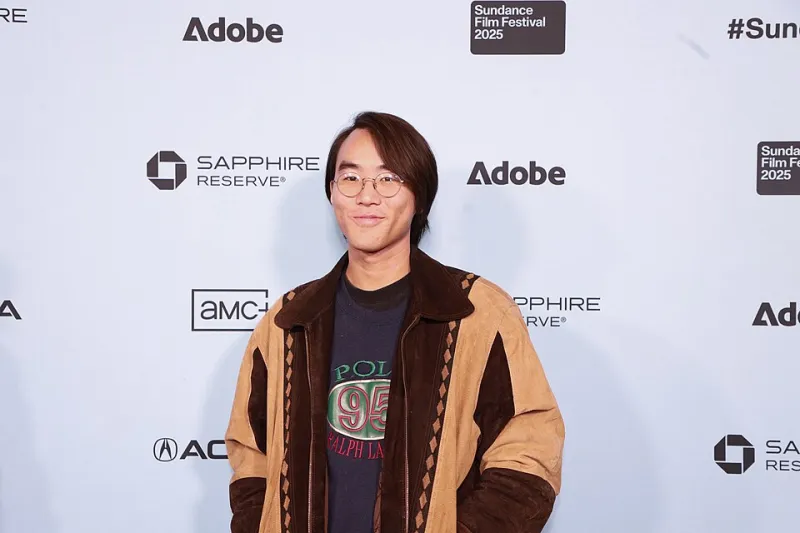
Photo: Bea Phi, CC BY-SA 4.0, via Wikimedia Commons
Picture this: a film opens to middling reviews and a so-so weekend box office. A few weeks later, a forty-five-minute YouTube video drops — methodical, researched, occasionally funny — that walks through exactly why the third act doesn't work. It gets two million views. Then a podcast episode digs into the production history. Then another video responds to the first one. By month two, the film has been picked apart more thoroughly than most theatrical releases ever were in the golden age of print criticism.
This is the new film discourse. And it's not happening in the pages of a magazine.
The Byline Is Dead, Long Live the Subscriber
For most of the twentieth century, the architecture of film criticism was pretty stable. Studios courted publications. Publications assigned critics. Critics filed reviews. Readers responded, or didn't. The whole system operated on institutional authority — you trusted the New York Times review because of what the New York Times represented.
That authority hasn't vanished, but it's been dramatically redistributed. The film analysis community that's grown up around YouTube and podcasting operates on a completely different model. Authority here is earned through consistency, depth, and the kind of parasocial familiarity that comes from spending forty hours a year listening to someone's voice in your earbuds.
When a critic at a legacy publication pans a film, readers might note it and move on. When a podcast with four hundred thousand regular listeners spends ninety minutes dismantling a film's narrative logic, that conversation echoes for weeks. It gets clipped, quoted, screenshotted, debated. It becomes part of how that film is understood — sometimes permanently.
The Anatomy of Influence
The film analysis community isn't monolithic. There are the deep-dive essayists who spend weeks on a single video. There are the rapid-response podcasters who record within twenty-four hours of a premiere. There are the franchise specialists who know the Marvel timeline better than anyone at Marvel, and the arthouse contingent who spend their time rescuing overlooked films from obscurity.
What they share is an audience that's engaged in a way that passive readership rarely was. Subscribers don't just consume — they participate. They show up in comments, they argue, they submit questions, they become invested in the critic's ongoing project. That engagement creates a feedback loop that traditional criticism never had.
It also creates leverage. When a prominent film analysis channel decides something is worth their audience's attention, that attention is real and measurable. Studios have noticed. Some have started sending screeners to YouTube critics and podcast hosts who wouldn't have been on the PR list five years ago. Others have begun monitoring these communities for early signals about how their films are landing with dedicated audiences — information that's often more granular and honest than tracking surveys.
When the Fans Become the Experts
One of the genuinely interesting things about this ecosystem is how often the most sophisticated film analysis is coming from people who never went to film school. Some of the sharpest structural criticism of contemporary blockbusters — the kind that identifies specific screenwriting choices, traces production history, and compares films across decades of genre convention — is coming from people who learned by watching obsessively and reading widely, outside any institutional framework.
This democratization cuts both ways. The ceiling is high: some of this work is genuinely brilliant, the kind of criticism that would hold up in any academic context. But the floor is also pretty low. The same infrastructure that produces rigorous analysis also produces confident misinformation, bad-faith hot takes, and the occasional harassment campaign against filmmakers who've made something the community didn't like.
Filmmakers who engage with these communities directly — and a growing number do — tend to be careful about which corners they step into. But the engagement is happening. Directors are appearing on podcasts, responding to video essays on social media, and occasionally addressing specific criticisms from these platforms in interviews. That would have been almost unimaginable a decade ago.
The Studios Are Listening (Even When They Pretend They're Not)
Here's where it gets genuinely consequential: there's credible evidence that studio decisions are being influenced by the film analysis community in ways that go beyond simple PR monitoring.
Post-release cuts and edits — the kind that used to be reserved for home video releases — have started happening with more urgency and specificity. When a widespread community consensus forms around a particular problem with a film, studios have on occasion responded. Whether that's cause and effect or correlation is hard to prove, but the timing is sometimes striking.
More clearly, the film analysis community has become a major factor in a film's long-term commercial life. A documentary that gets picked up by a prominent YouTube channel can see streaming numbers spike years after its release. A forgotten thriller that becomes the subject of a podcast deep-dive can find a whole new generation of fans. The canon is no longer fixed by what the critical establishment decided at the time of release — it's being continuously renegotiated by communities with the tools and the motivation to keep arguing.
What Traditional Criticism Gives Up
It would be easy to frame this as a pure win for democratization, and in many ways it is. More voices, more perspectives, more sustained engagement with film as an art form — that's genuinely good.
But something is also being lost. The best traditional film criticism operated with a kind of editorial accountability that the podcast-and-YouTube ecosystem doesn't always replicate. A critic at a publication answers to editors, to standards, to the institutional weight of the outlet. A podcast host answers to their subscribers — and subscribers, as any creator will tell you, can be a conservative force. They reward what they already like. They can push creators toward comfort rather than challenge.
There's also the question of access. Some of the most important film analysis work — the kind that requires interviews, archival research, access to production materials — is still largely the domain of traditional journalism. The infrastructure that supports that work is shrinking. And as it shrinks, the film analysis community fills the gap with what it has: enthusiasm, time, and an audience. Which is a lot. But it isn't everything.
The Conversation Has Moved
None of this is going backward. The film analysis community is now a permanent and growing part of how cinema is processed, discussed, and remembered in America. The question isn't whether studios and filmmakers should take it seriously — they already do. The question is how this ecosystem matures.
The best outcome is a genuine dialogue: filmmakers engaging with substantive criticism, analysts holding themselves to real standards of evidence and argument, and the whole conversation becoming something that serves the films themselves — and the audiences who love them.
That conversation is already happening, in the best corners of this community. It's just happening after midnight, in your earbuds, at two-times speed.